Boa constrictor
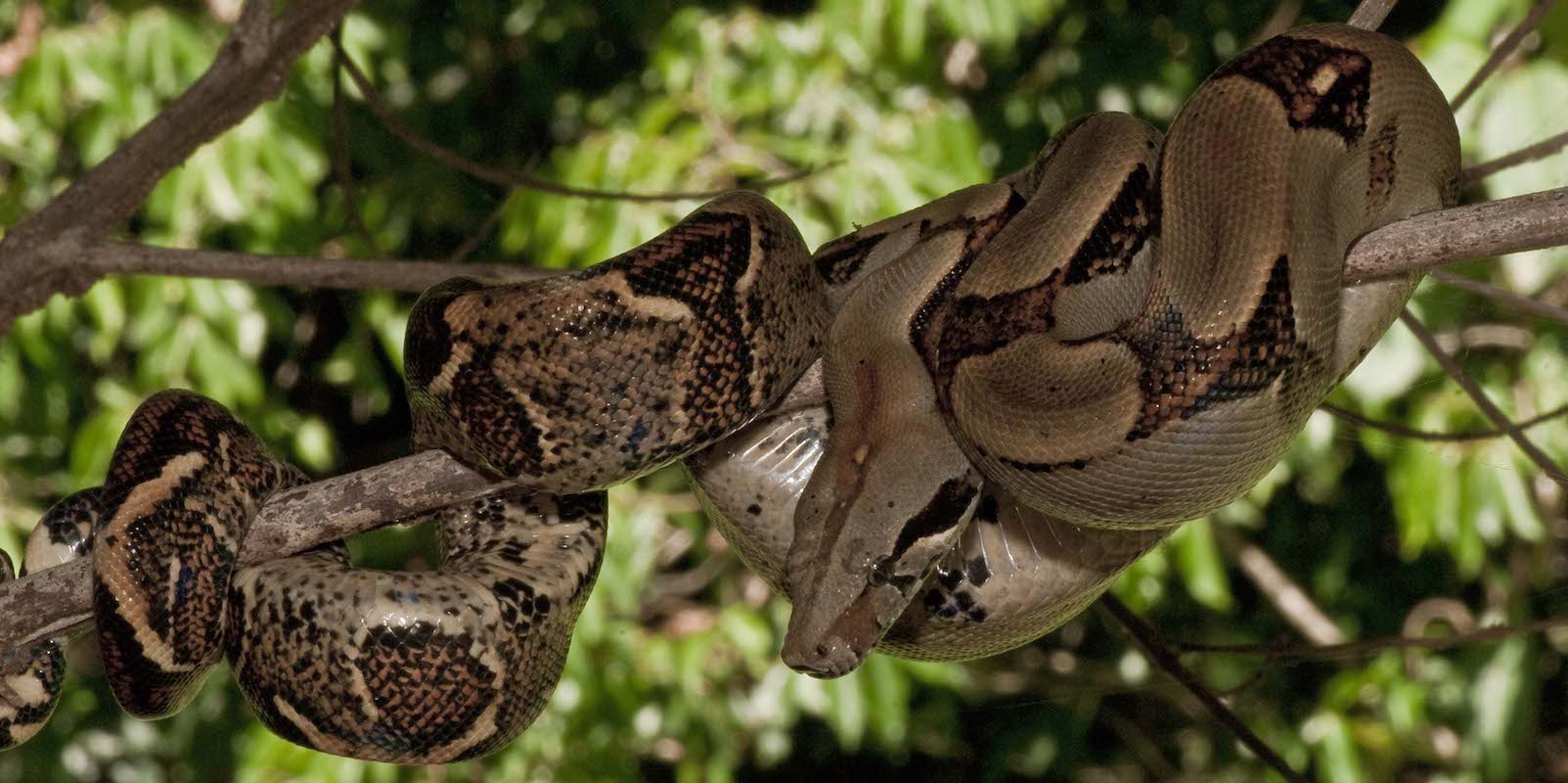
BOA CONSTRICTOR
Grosso serpente distribuito in quasi tutto il continente americano subtropicale e tropicale.
Può raggiungere i 4 metri di lunghezza e superare i 25 kg, ma ciò dipende dalle località.
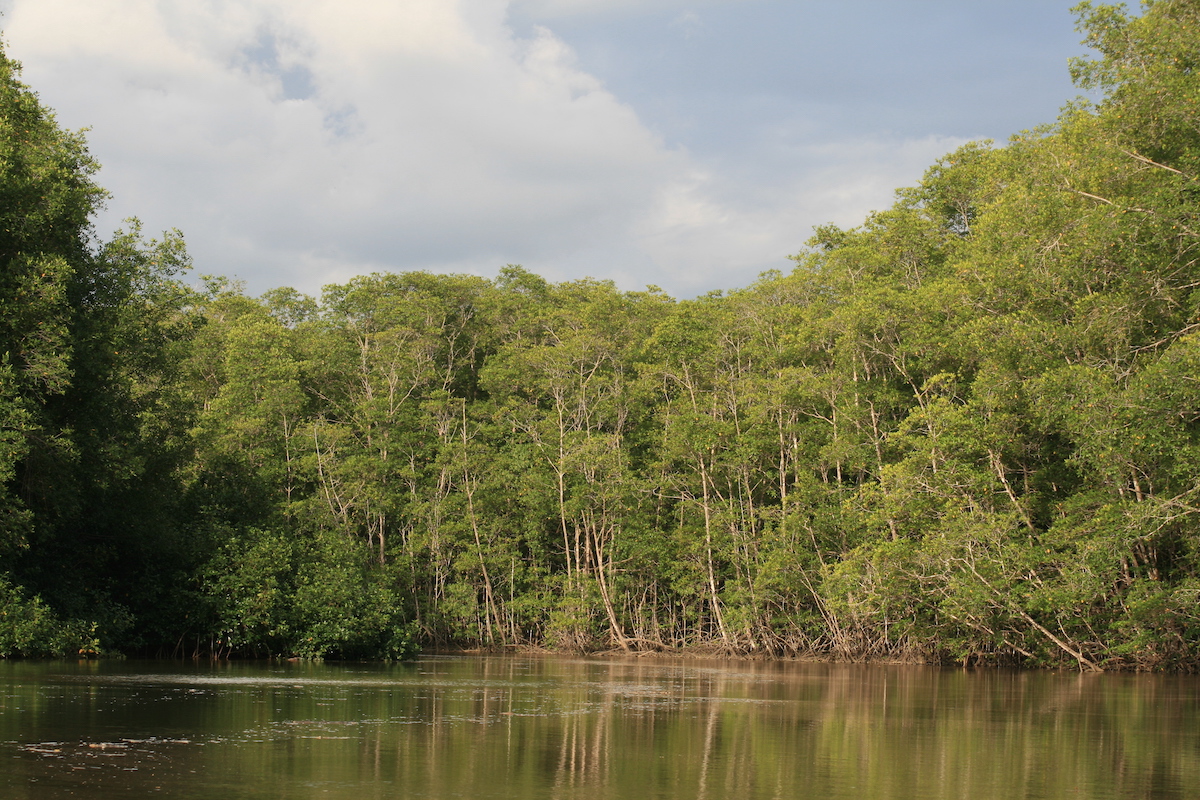
Si trova in molti ambienti diversi tra loro ma preferisce le foreste tropicali. Si trova comunemente anche lungo i corsi d’acqua, dove può immergersi, essendo un buon nuotatore.
I giovani tendono ad essere più arboricoli degli adulti, probabilmente perché più leggeri e più spesso vittime dei predatori. Il boa constrictor preda una grande varietà di mammiferi, rettili (come iguane) e uccelli, che uccide per costrizione. La femmina partorisce fino a 25 piccoli completamente formati (viviparo).
Tutte le sottospecie di Boa constrictor sono sotto CITES in appendice II, eccetto B.constrictor occidentalis che è posto in appendice I.
BOA CONSTRICTOR
Large, heavy-bodied snake. It is found in North, Central, and South America. It can reach lengths from 3–13 ft (0.91–3.96 m) depending on the locality. Large specimens can weigh up to 27 kg (60 lb).
It flourishes in a wide variety of environmental conditions, from tropical rainforests to arid semi-desert country. However, it prefers to live in rainforests. It is commonly found in or along rivers and streams, as it is a very capable swimmer.
Young boa constrictors may climb into trees and shrubs to forage; however, they become mostly terrestrial as they become older and heavier. Prey include a wide variety of small to medium-sized mammals and birds. Also large lizards, such as iguanas, are often hunted. Boa constrictors are ovoviviparous, giving birth to an average of 25 live young.
All boa constrictors fall under CITES and are listed under CITES Appendix II, except B.c.occidentalis, which is listed in CITES Appendix I.
Ambiente - Environment