Lampropeltis triangulum sinaloe
FALSO CORALLO DI SINALOE
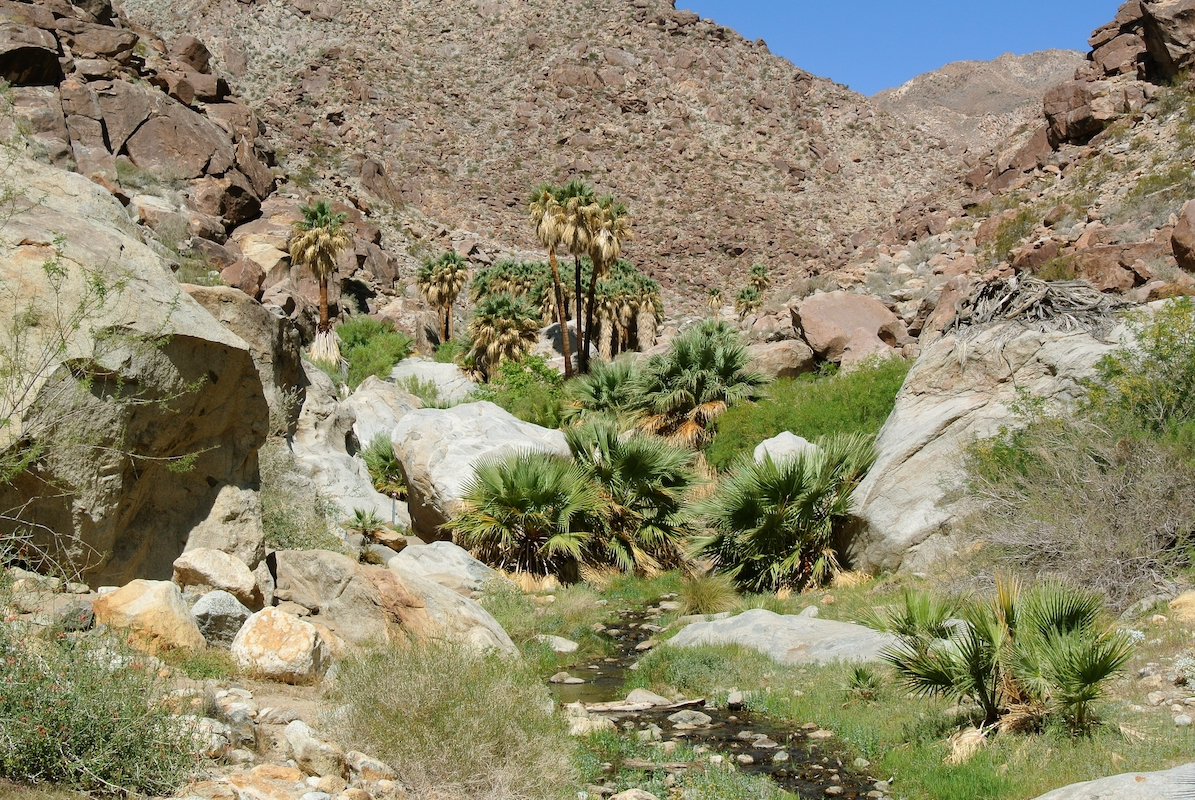
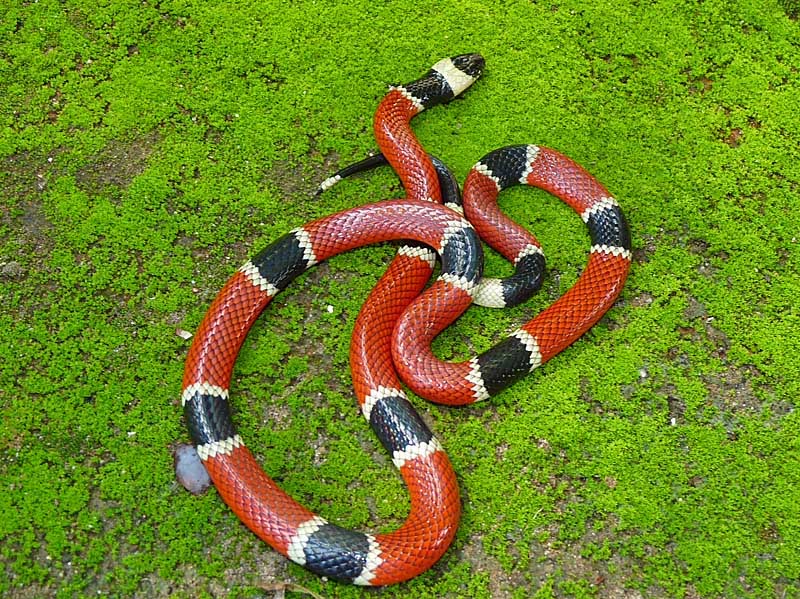
Chiamato anche “serpente del latte”, perché, vista la sua abitudine di visitare le stalle e i fienili a caccia di roditori, si credeva, erroneamente, che fosse ghiotto di latte. Attua il cosiddetto “mimetismo batesiano” con cui confonde i suoi predatori: imita cioè la livrea della specie di serpente corallo che vive negli stessi areali, in questo caso il velenoso Micrurus distans (foto). Il falso corallo è tuttavia totalmente innocuo. Abita le regioni aride e semi-desertiche degli stati messicani del Sonora, Sinaloa (di cui il nome) e del Chihuahua, e durante il giorno lo si può trovare nascosto sotto sassi o cortecce. Di notte esce allo scoperto per cacciare soprattutto lucertole, altri serpenti (anche velenosi) e piccoli roditori, che uccide per costrizione.
SINALOAN MILK SNAKE
As those snakes are commonly found near barns and stables, where they hunts rodents and other animals, people mistakenly thought they loved to drink milk. That’s the origin of the name “milk snake”. It’s beautiful colors mimics the coral snake species that lives in the same areas: in this case “Micrurus distans” (in photo). The Sinaloan milk snake inhabits the dry, arid and rocky semi-desert regions in southwest Sonora, Sinaloa and southwestern Chihuahua, Mexico. They are often found during the day resting beneath loose rocks, in rock crevices or beneath cactus plants. Like other milk snakes, the Sinaloan milk snake is nocturnal and feeds on lizards, other snakes and small rodents. Preys are killed by constriction.
Ambiente - Environment