Naja kaouthia
COBRA DAGLI OCCHIALI
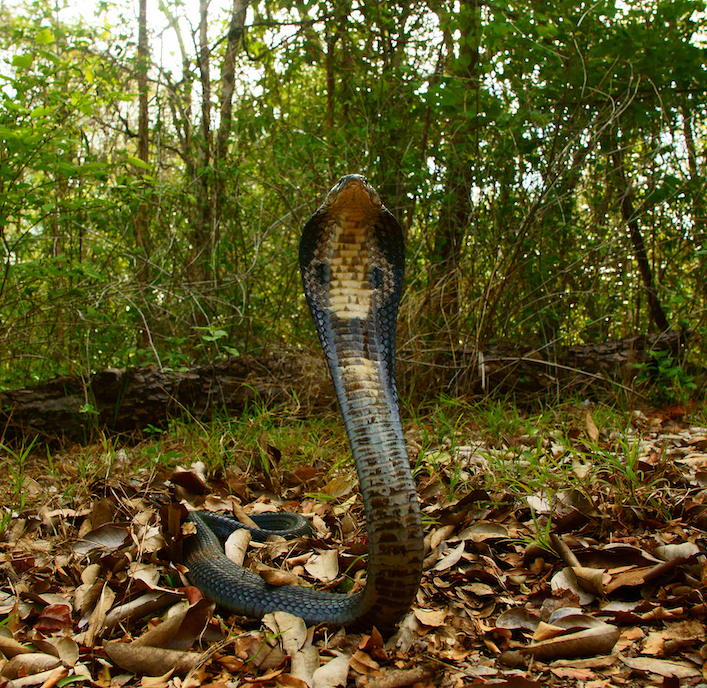
Una delle specie di cobra più conosciute dalla popolazione del sud est asiatico, questo per via della sua alta adattabilità nel vivere in svariati ambienti, anche anche quelli abitati dall’uomo. Lo si trova di frequente anche in posti umidi, come per esempio mangrovie, paludi o risaie. Si nutre di roditori, piccoli uccelli e anfibi, che caccia durante il crepuscolo o la mattina. Ha una sorta di “occhio” disegnato sul cappuccio, che allarga quando si sente minacciato: da qui il nome “monocolo”. Come tutti i cobra l’apertura del cappuccio è consentita grazie a delle costole allungate e mobili, che, aprendosi, riescono a distendere la pelle in eccesso situata nella parte anteriore del corpo.
Possiede un potente veleno neurotossico che però usa raramente a scopo difensivo.
Specie in appendice II della CITES.
MONOCLED COBRA
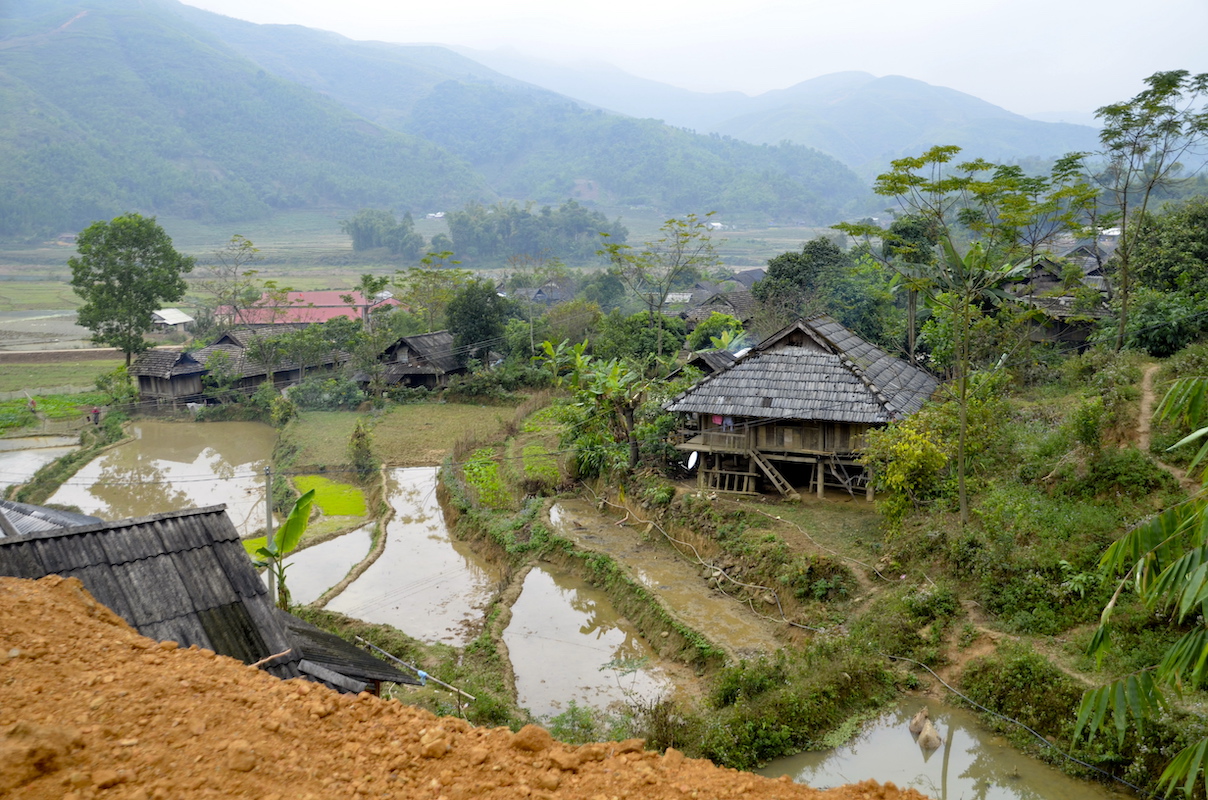
One of the most known cobras in Asia, due to their adaptability to live also side by side with humans. These cobras can adapt to a range of habitats, from natural to anthropogenically impacted environments but they prefer habitats associated with water, such as paddy fields, swamps, and mangroves. They can also be found in grasslands, shrublands, and forests. They feed on a lot of different animals: amphibians, other reptiles, small mammals and birds.
The cobra’s hood is created by many elongated ribs that are capable of extending the looser skin on the neck outwards.
The monocled cobra has an O-shaped, or monocellate hood pattern, from where the name derives. Is listed on CITES Appendix II and has also been assessed as Least Concern by IUCN.
Ambiente - Environment