Naja melanoleuca
COBRA DELLE FORESTE
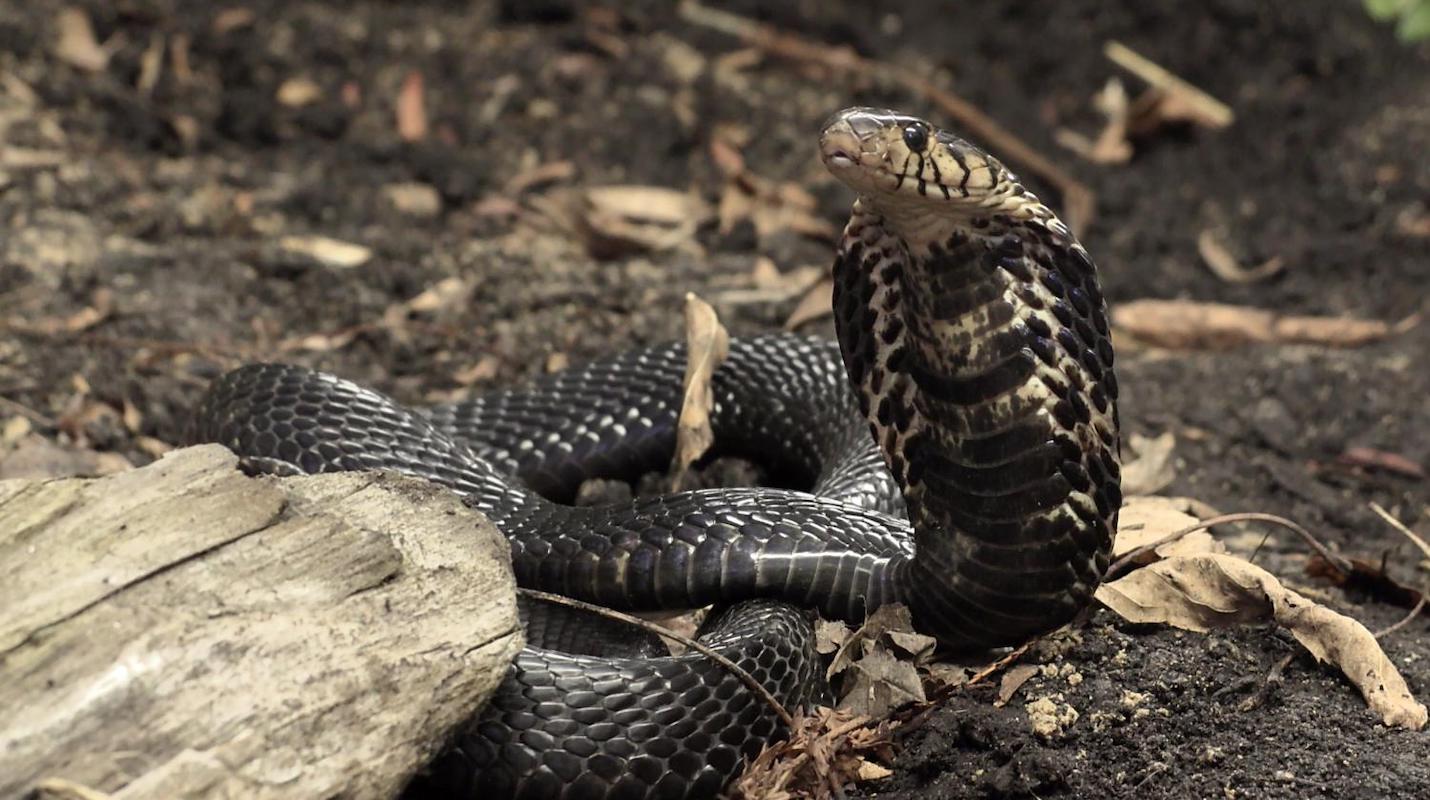
Si tratta di uno dei “veri cobra” più grandi e robusti, potendo sfiorare i 3 metri di lunghezza. Anche se si adatta a molti habitat, sceglie comunemente zone con molta vegetazione. Spesso può arrampicarsi sugli alberi ed è, all’occorrenza, un abile nuotatore. Il cobra delle foreste è molto generalista quando si tratta di alimentazione: predilige mammiferi, altri rettili, uccelli, ma non disdegna anfibi o insetti (soprattutto gli individui giovani). Se messo alle strette assume la tipica posizione di difesa dei cobra: alza dal terreno la parte anteriore del corpo allargando il cappuccio e soffia con vigore. I morsi agli esseri umani sono meno comuni rispetto a quelli degli altri cobra africani, anche se un morso da parte di questa specie è comunque da considerarsi molto pericoloso. Il veleno contiene neurotossine postsinaptiche.
FOREST COBRA
It is the largest true cobra species with a total length of up to 3.1 meters (10 feet). Although it prefers lowland forest and moist savanna habitats, this cobra is highly adaptable and can be found in drier climates within its geographical range. It is also a very capable swimmer and climber. The forest cobra is a generalist in its feeding habits, having a highly varied diet: anything from large insects to small mammals and other reptiles.
When cornered it will assume the typical cobra warning posture by raising its forebody off the ground, spreading a narrow hood, and hissing loudly. Bites to humans are less common than from other African cobras due to various factors, even though a bite from this species is a life-threatening emergency. The venom contains postsynaptic neurotoxins.
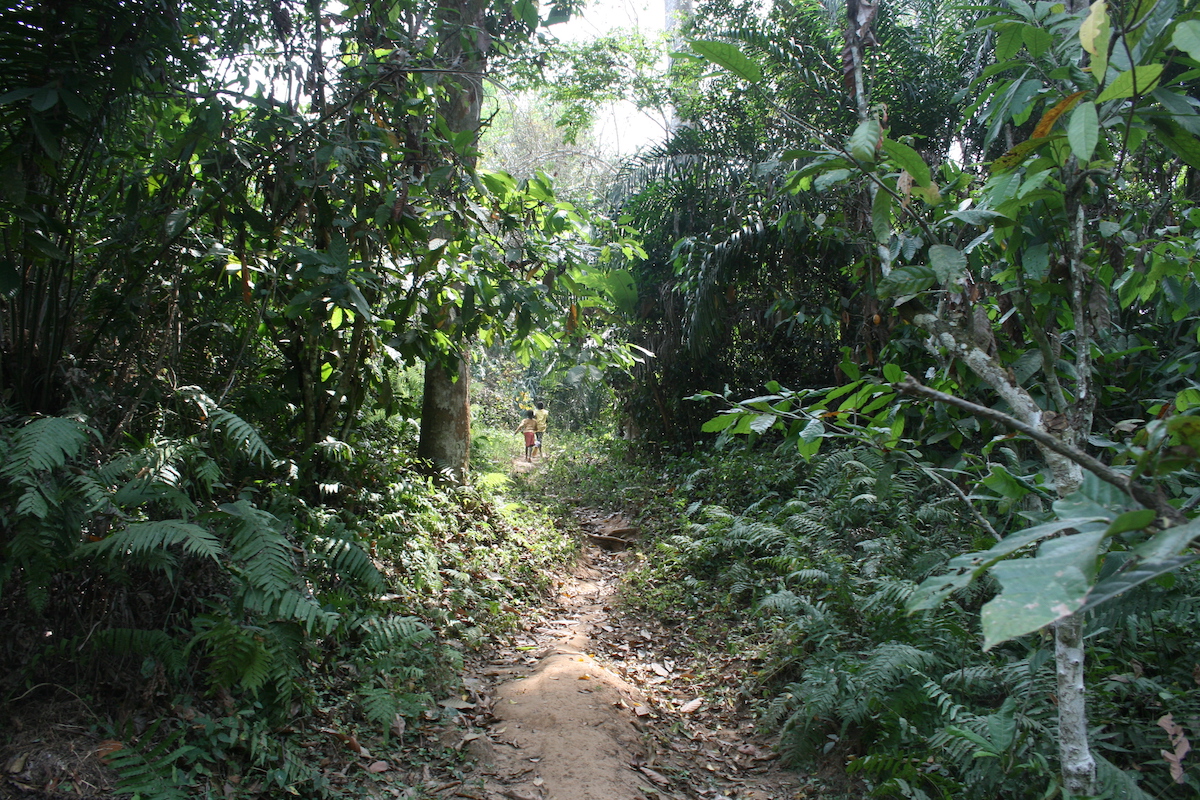
Ambiente - Environment