Naja sputatrix
COBRA SPUTATORE INDONESIANO
Cobra di medie dimensioni diffuso nel sud-est asiatico. Come gli altri esponenti del genere Naja quando è disturbato può allargare un cappuccio, formato da pelle tenuta in tensione grazie a una serie di costole mobili. Sfiora i 2 metri di lunghezza. Si trova principalmente all’interno di foreste tropicali e umide, ma si può adattare a ogni habitat, inclusi i terreni coltivati.
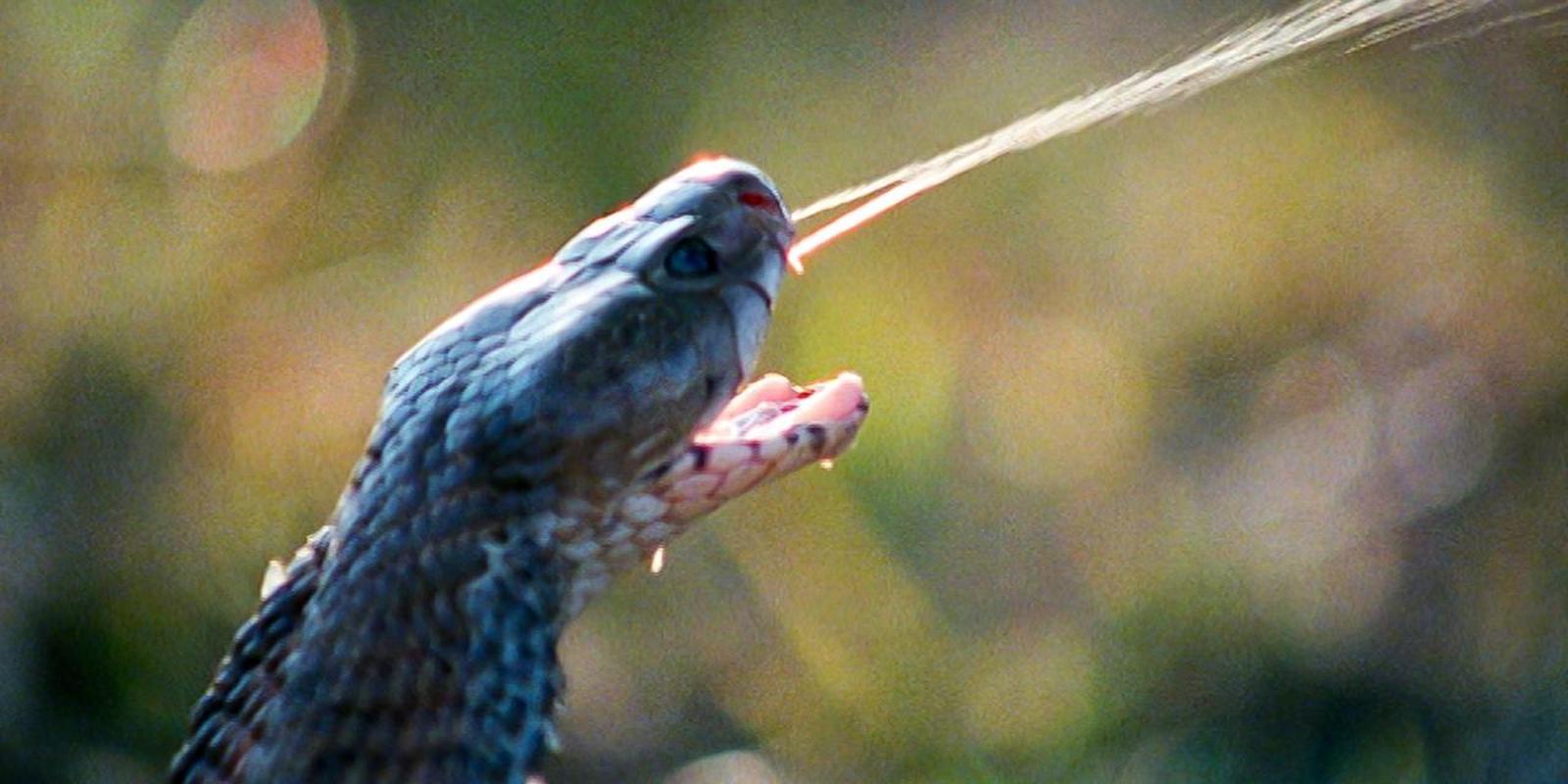
Si nutre soprattutto di roditori, che caccia principalmente nelle ore notturne. Si tratta di una specie molto reattiva che non esita a mettersi sulla difensiva, estendendo il cappuccio, e, se necessario, “schizzando” il veleno direttamente da una scanalatura situata sulla parte anteriore dei denti veleniferi, mirando agli occhi dei suoi predatori. Il getto può arrivare fino a oltre i 2 metri di distanza.
È tuttavia spesso predato, oltre che da rapaci e mammiferi carnivori, anche da altri serpenti e da grandi varani, come il “drago di Komodo”, che lo include spesso tra le sue prede abituali.
Il veleno contiene neurotossine postinaptiche e polipeptidi di cardiotossine, e, sebbene possa essere molto potente, ha alle volte un’azione piuttosto lenta. Il Naja sputatrix è inserito nell’Appendice II della CITES.
INDONESIAN SPITTING COBRA
A medium to large, heavy-bodied species which, like other cobras, has long cervical ribs capable of expanding to form a hood when threatened. The average length of this species of cobra is approximately 1.3 m (4.3 ft), but they may grow to a maximum of about 1.85 m (6.1 ft). This spitting cobra is found mostly in tropical and wet forests, but the species adapts incredibly well to a wide variety of habitats across its range on the islands, including more arid regions, dry woodlands, and cultivated hill country. Naja sputatrix is very defensive and readily spits out venom when it feels threatened, often as far as 2 m (6.6 ft). The venom sprays out in distinctive geometric patterns when muscles squeeze the glands to squirt it out through forward-facing holes near the tips of the fangs. It preys predominantly on small mammals such as small rats and mice, but it will also feed on frogs and lizards. On Komodo Island the spitting cobra is an easy prey for the Komodo dragon.The most significant constituents of the venom include postsynaptic neurotoxins and polypeptide cardiotoxins, meaning that although the venom may be potent, it may not be particularly rapid-acting. The Indonesian spitting cobra is listed in the appendix II of CITES.
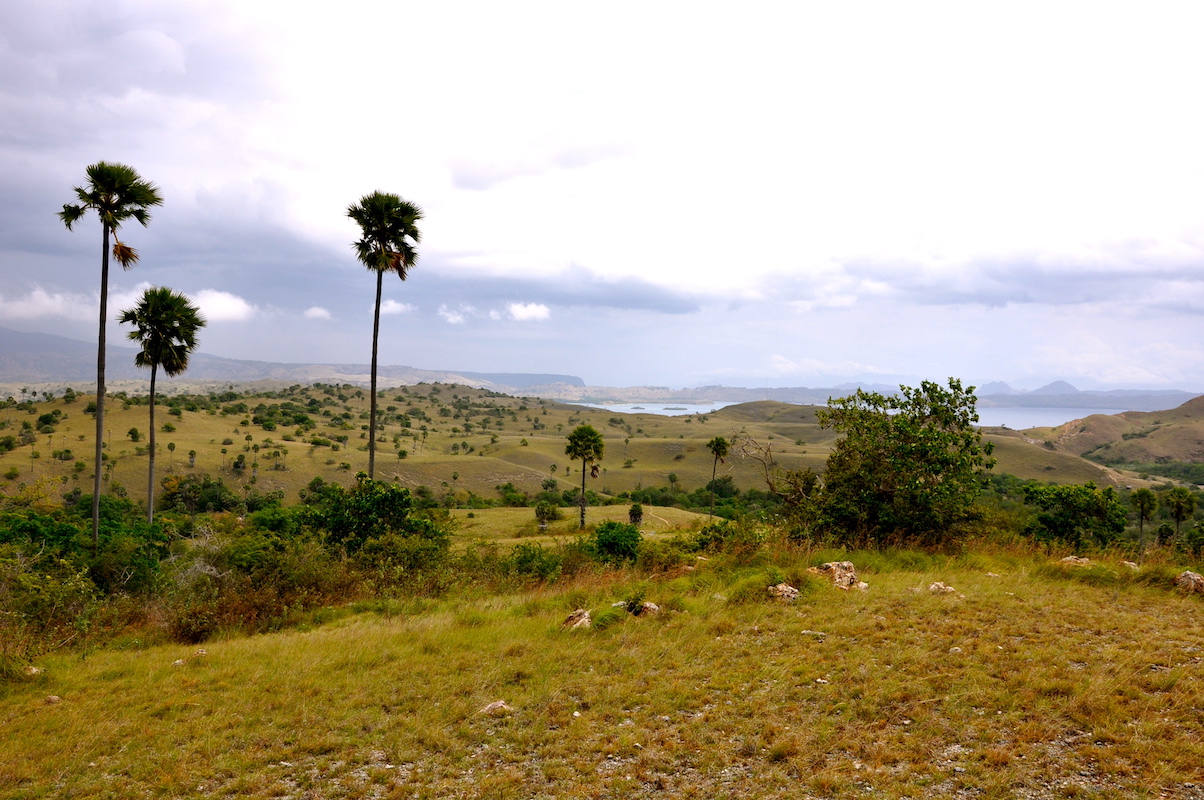
Ambiente - Environment