Agkistrodon bilineatus
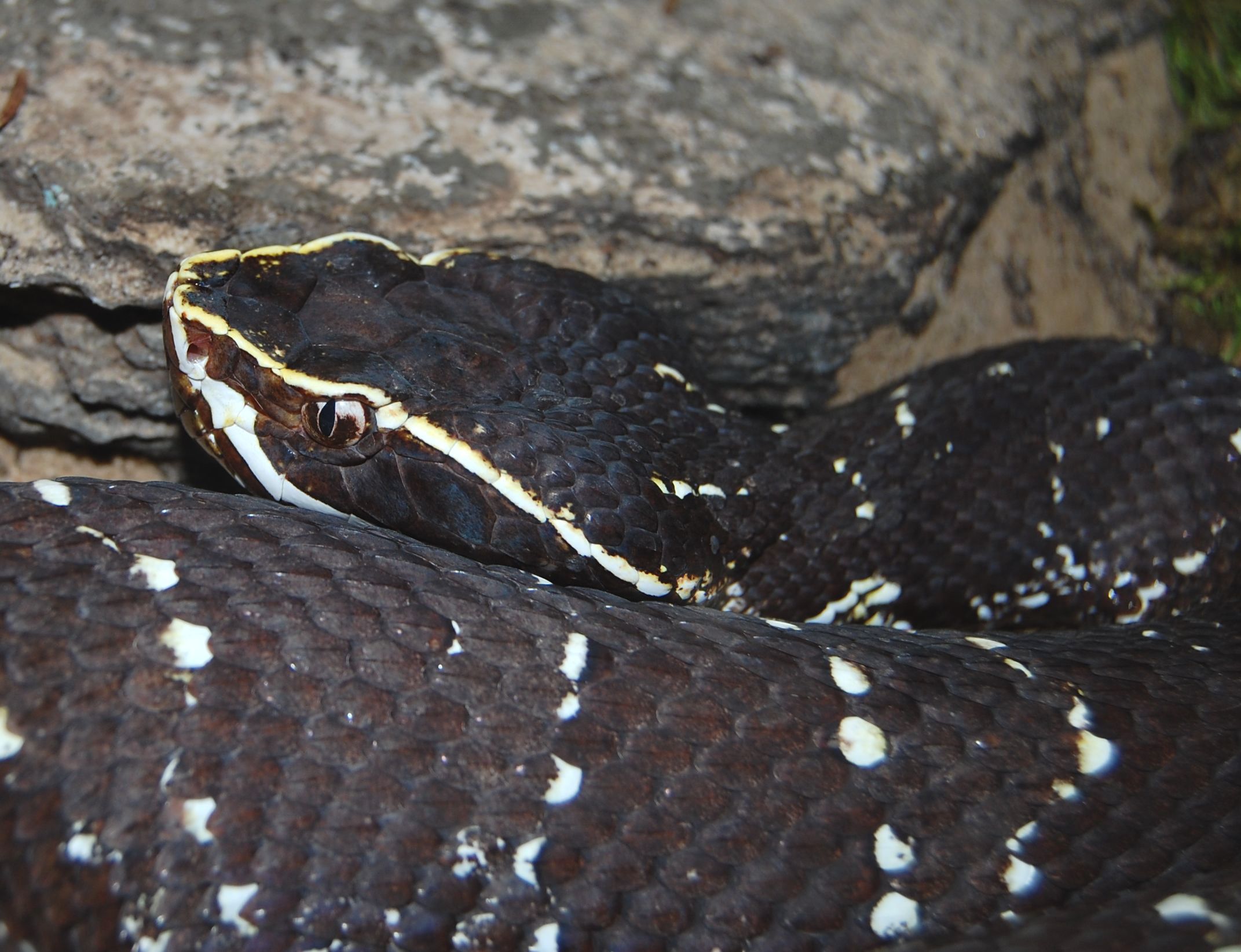
CANTIL / MOCASSINO MESSICANO
Viperide crotalino (ma senza sonaglio) molto conosciuto in Messico: è la specie del genere Agkistrodon (dal latino "ancistro" = "uncino" e "odon" = dente) con le zanne del veleno più sviluppate, che crescono fino a 1 cm di lunghezza. I piccoli hanno la punta della coda colorata che muovono con un moto vermiforme per attirare le loro prede: piccole lucertole.
Gli adulti passano a prede più grandi: micro-mammiferi, uccelli, anfibi e rettili.
Questa specie preferisce ambienti umidi, con una fitta vegetazione, tuttavia evita gli acquitrini, che invece è habitat preferito di un suo parente stretto e molto simile: il mocassino acquatico (A.piscivorus). Per quanto riguarda la sua pericolosità, si fa notare che la specie sia molto temuta in tutto l’areale ove è presente.
Si trova all’interno della lista rossa stilata dalla IUCN nella categoria “Vicina nell’essere minacciata” (NT=Near Threatened).
Sono ospiti dei nostri terrari dall’inizio degli anni 2000.
MEXICAN CANTIL
The Mexican cantil is a venomous pitviper (whitout the rattle) that has the longest fangs of any species within the Agkistrodon genus (“Ancistro”= hook, “odon”= tooth), growing to over one centimetre in length.
Juveniles usually possess more distinctive banding and brightly coloured tails, used to lure prey: mostly lizards and frogs.
The adults include also rodents and birds in their diet.
It occurs in a vast range of habitats, including seasonally dry forest, tropical deciduous forest, tropical scrub forest and savanna, but does not conduct an aquatic life like its relative: the american cottonmouth (A.piscivorus).
When it comes to its venom, this species is greatly feared throughout its range.
It has been listed as Near Threatened in the IUCN Red List.
Guest in our terrariums since the early 2000s
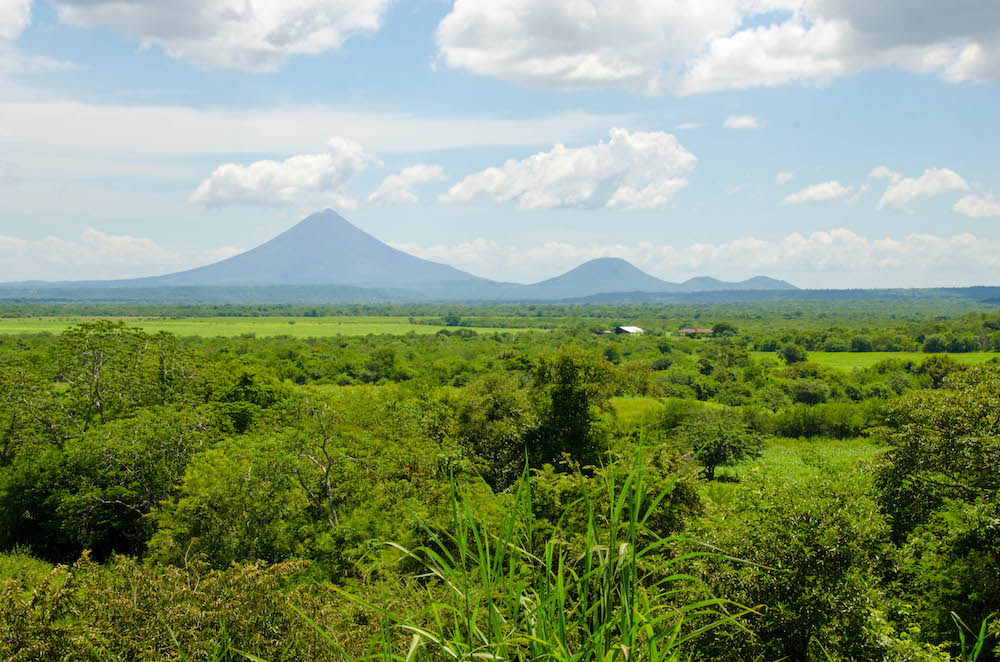
Ambiente - Environment