Acrantophis dumerili
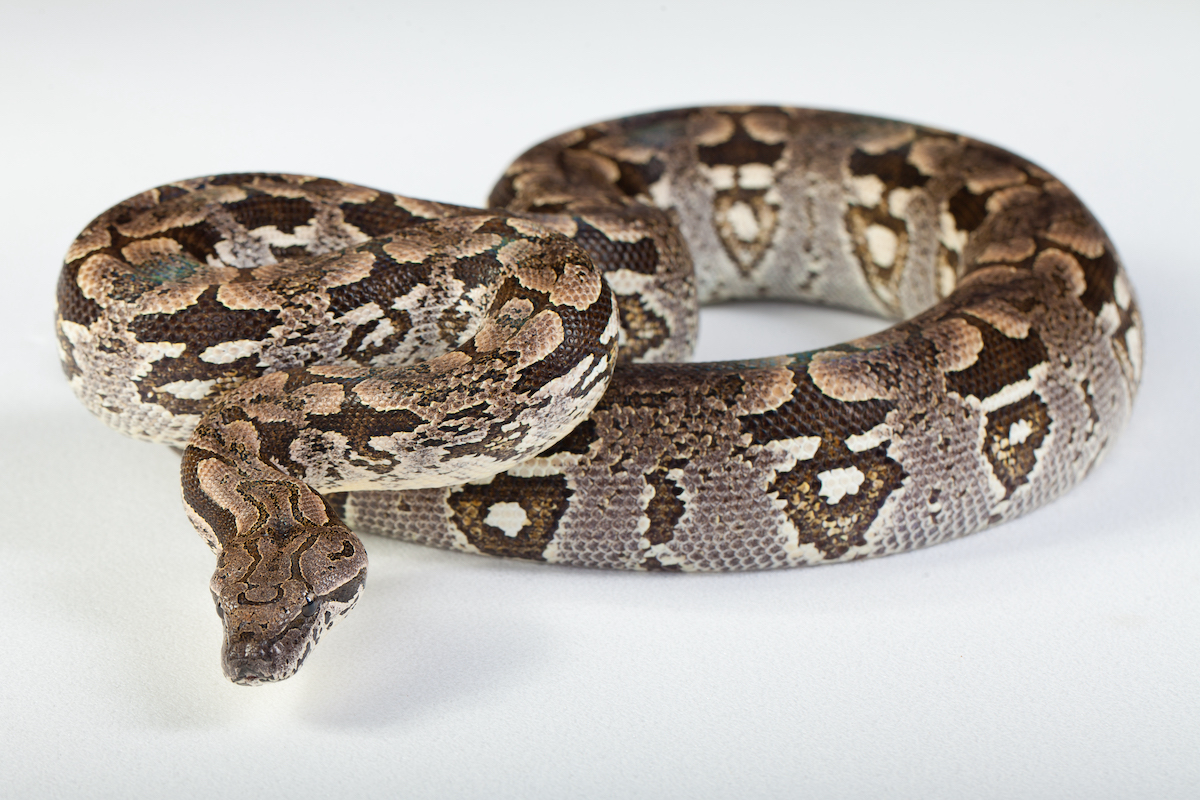
BOA DI DUMERIL
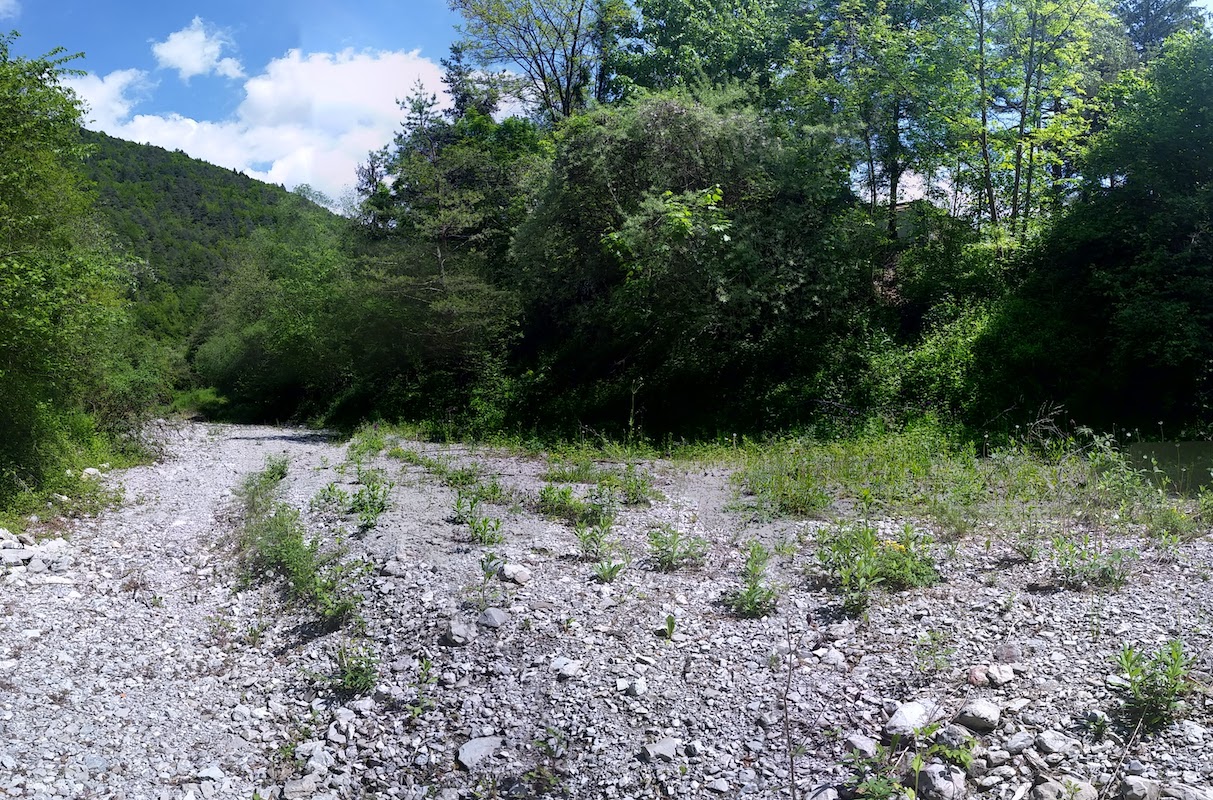
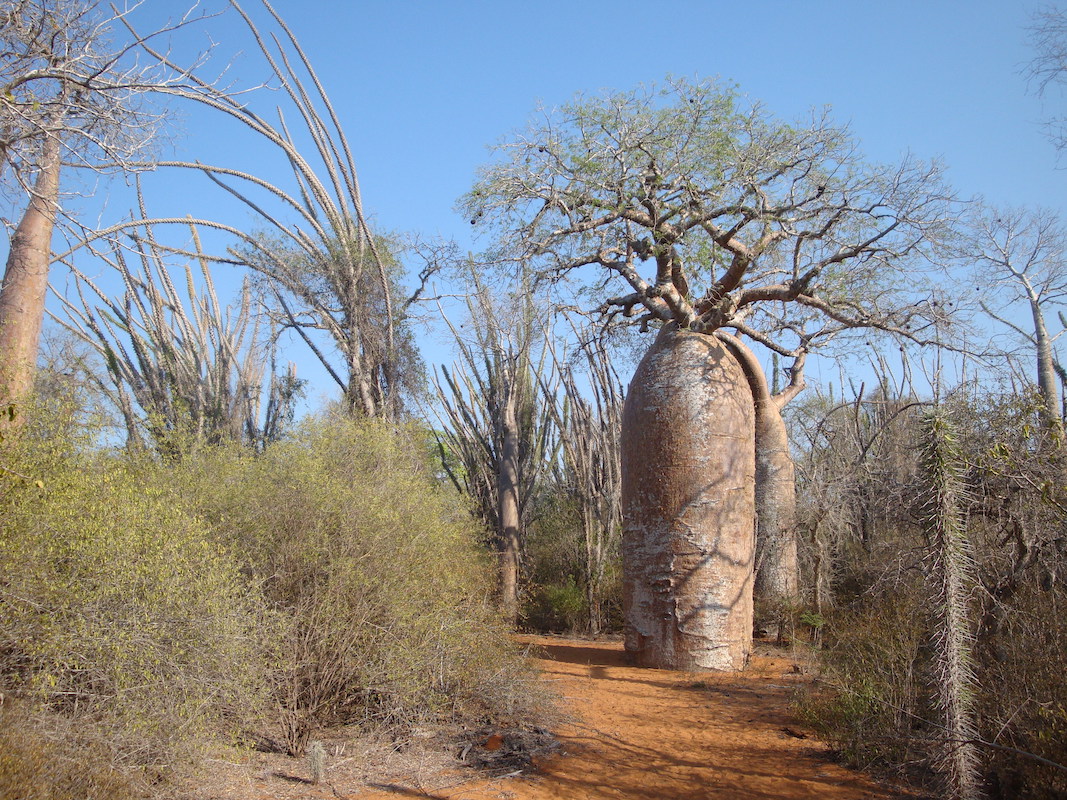
Questo boa è endemico dell’isola di Madagascar e Réunion, dove si può trovare dal livello del mare fino ad un’altezza di 1300 m sul livello del mare. Gli adulti di solito raggiungo i 2 metri di lunghezza, arrivando a volte fino a due metri e mezzo. Frequentano foreste intatte aride, con cespugli spinosi, ma anche savane sugli altipiani centrali. Si tratta di una specie terricola che si muove principalmente al crepuscolo o all’alba, i giovani sono spesso prevalentemente notturni. Come molti boa anche questa specie malgascia partorisce piccoli già perfettamente formati, in cucciolate da 6 a 13 individui. Si nutre di vertebrati terrestri come uccelli e mammiferi (come per esempio i lemuri), e spesso anche di galline e altri animali domestici: per questo motivo è spesso temuto e ucciso dalle popolazioni locali.
La specie si trova nell’appendice I della CITES ed è classificata come LC (Least Concern) nella lista rossa IUCN.
MADAGASCAR GROUND BOA
This species is endemic to Madagascar and Réunion island where it is widespread in the south and southwest of the island, between sea level and 1,300 m.
Adults usually grow to 6.5 feet (2 m) in total length.
This boa inhabits dry forest and thorn bush at low and mid-elevations. It is also found in savanna settings on the central highlands. It can be encountered in disturbed habitats such as eucalyptus forests and villages. It is usually terrestrial and larger specimens are cathemeral whilst juveniles are mostly nocturnal. It is viviparous and litters consist of 6-13 small juveniles. It feeds on wild terrestrial vertebrates (like lemurs) as well as domestic poultry.
it is listed under CITES Appendix I and it is classified as Least Concern (LC) on the IUCN Red List, that is because it is threatened by deforestation and human persecution.
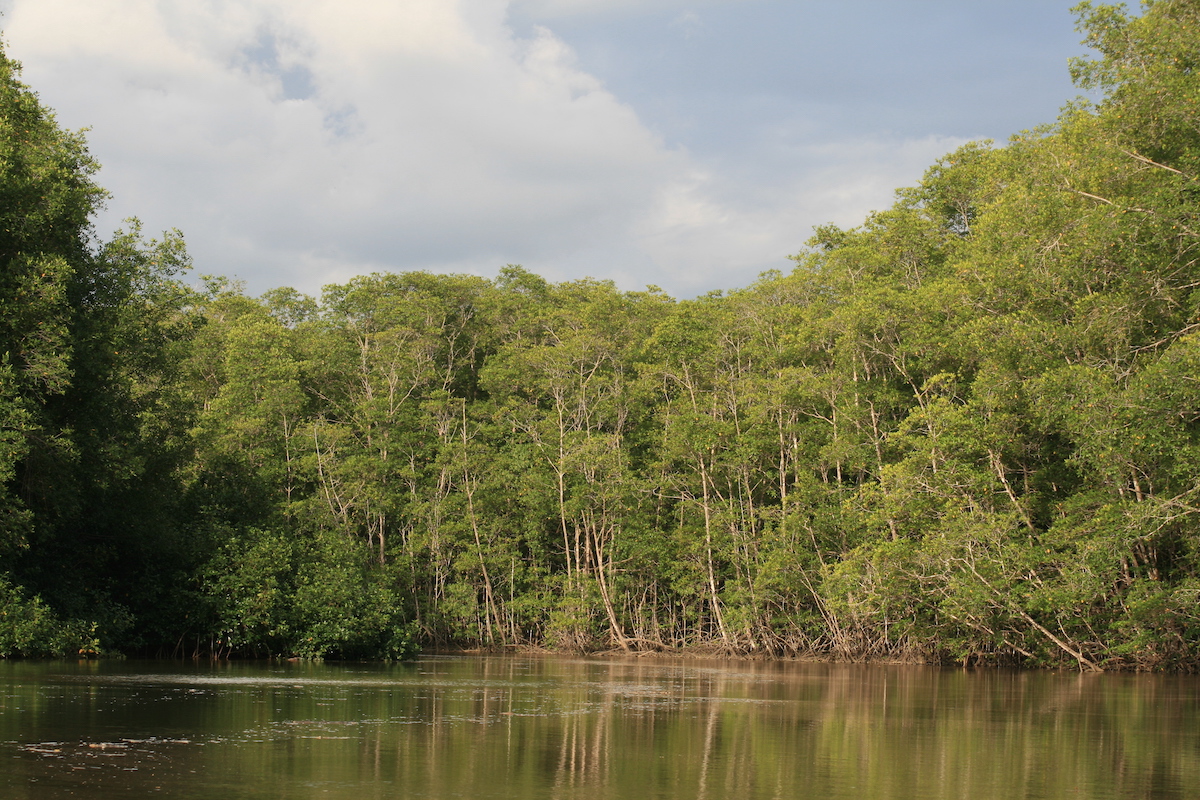
Ambiente - Environment
Boa constrictor
BOA CONSTRICTOR
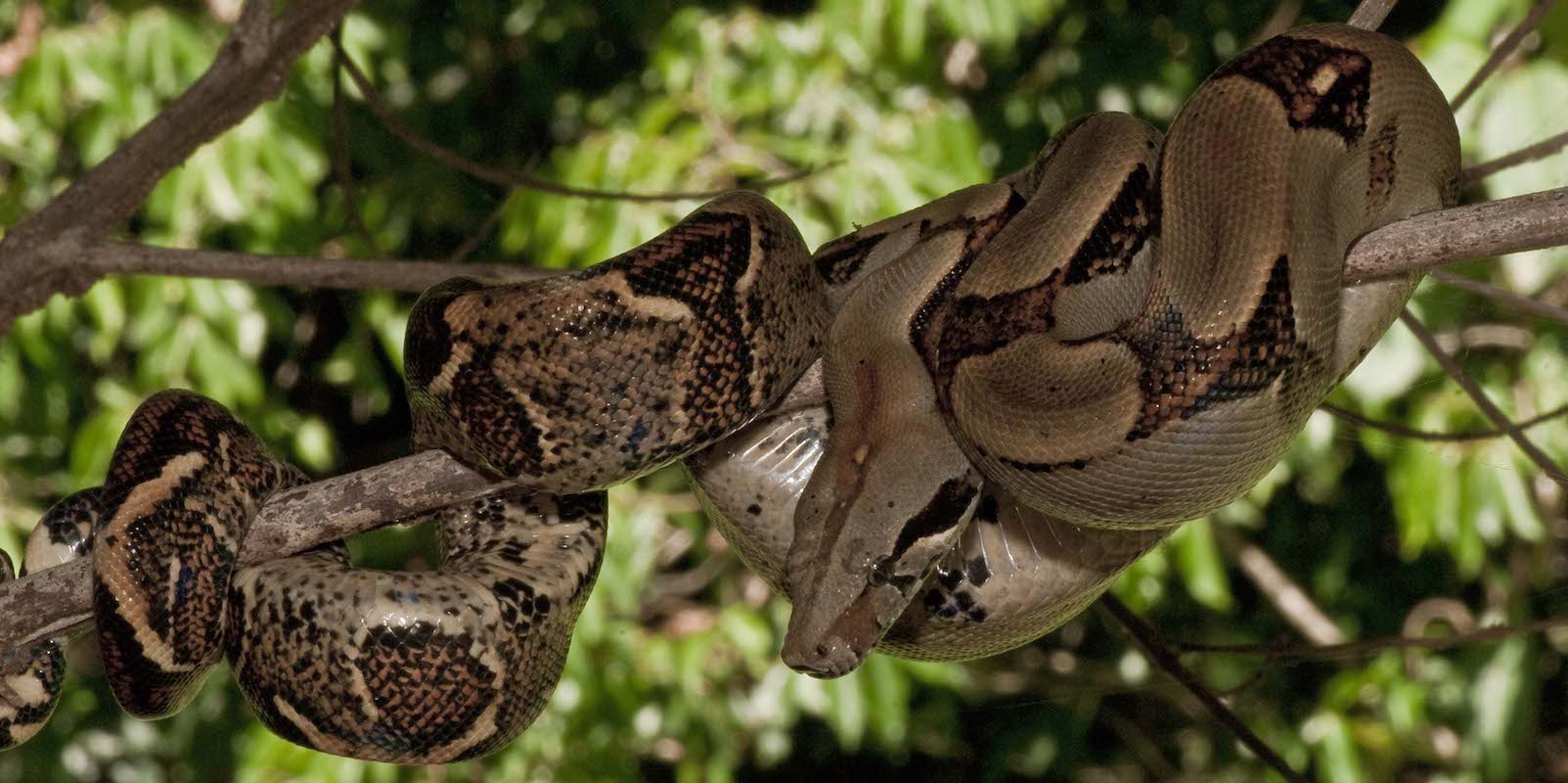
Grosso serpente distribuito in quasi tutto il continente americano subtropicale e tropicale.
Può raggiungere i 4 metri di lunghezza e superare i 25 kg, ma ciò dipende dalle località.
Si trova in molti ambienti diversi tra loro ma preferisce le foreste tropicali. Si trova comunemente anche lungo i corsi d’acqua, dove può immergersi, essendo un buon nuotatore.
I giovani tendono ad essere più arboricoli degli adulti, probabilmente perché più leggeri e più spesso vittime dei predatori. Il boa constrictor preda una grande varietà di mammiferi, rettili (come iguane) e uccelli, che uccide per costrizione. La femmina partorisce fino a 25 piccoli completamente formati (viviparo).
Tutte le sottospecie di Boa constrictor sono sotto CITES in appendice II, eccetto B.constrictor occidentalis che è posto in appendice I.
BOA CONSTRICTOR
Large, heavy-bodied snake. It is found in North, Central, and South America. It can reach lengths from 3–13 ft (0.91–3.96 m) depending on the locality. Large specimens can weigh up to 27 kg (60 lb).
It flourishes in a wide variety of environmental conditions, from tropical rainforests to arid semi-desert country. However, it prefers to live in rainforests. It is commonly found in or along rivers and streams, as it is a very capable swimmer.
Young boa constrictors may climb into trees and shrubs to forage; however, they become mostly terrestrial as they become older and heavier. Prey include a wide variety of small to medium-sized mammals and birds. Also large lizards, such as iguanas, are often hunted. Boa constrictors are ovoviviparous, giving birth to an average of 25 live young.
All boa constrictors fall under CITES and are listed under CITES Appendix II, except B.c.occidentalis, which is listed in CITES Appendix I.
Ambiente - Environment
Hierophis carbonarius
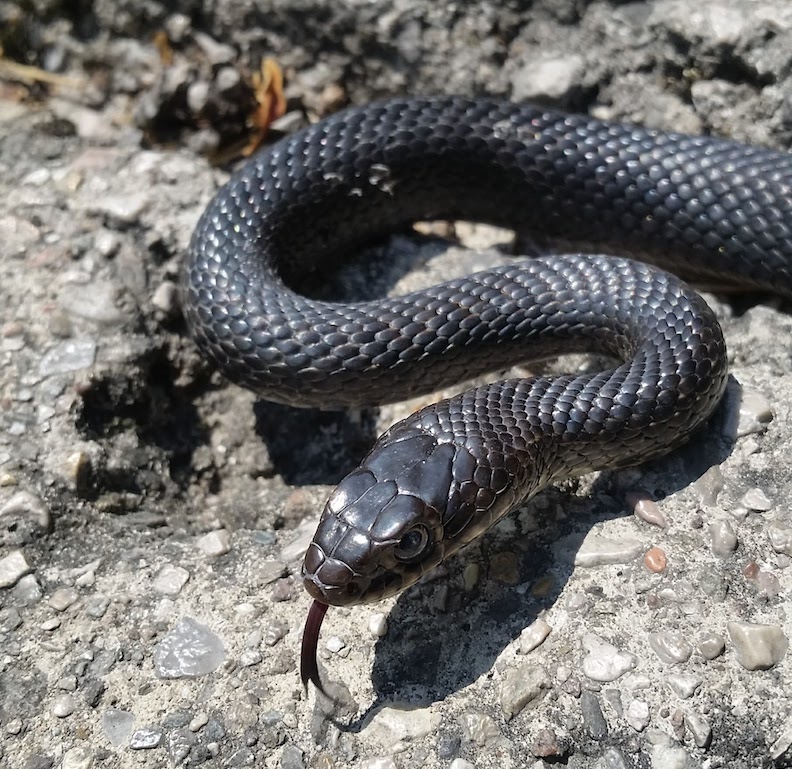
BIACCO NERO
I biacchi sono i serpenti italiani più diffusi e comunemente osservati: li si può trovare in ogni ambiente fino ai 1200 metri di altitudine circa. Preferiscono suoli aridi, e di sovente si rinvengono nei pressi delle abitazioni e nei giardini. Sono i serpenti europei più veloci, quindi spesso li si riesce a notare solo di sfuggita. Possono raggiungere il metro e mezzo di lunghezza, e cacciano rettili (anche altri serpenti, velenosi e non), piccoli roditori e uccelli, che uccidono con una rozza costrizione prima di essere ingollati. Serpenti nervosi e reattivi, non esitano a mordere ripetutamente se vengono catturati o se non hanno possibilità di fuga. Il morso provoca però al massimo qualche escoriazione superficiale e un incontro ravvicinato è abbastanza raro. Si è di recente scoperto, tramite analisi molecolari, che in Italia vivono due specie, distinte su base genetica: il biacco nero (Hierophis carbonarius), presente in Italia nord-orientale (anche in Trentino e intorno al lago di Garda) e il biacco verde-giallo (Hierophis viridiflavus), presente in Italia nord-occidentale e nel centro-sud.
WESTERN WHIP SNAKE
The italian most widespread snake, it can be found in almost every environment, preferring a wide variety of dry, warm, open biotopes, e.g. maquis, heathland, forest edges but also man-made habitats such as gardens and orchards.
It is a diurnal, strong and fast snake that actively hunts for a wide range of preys: lizards, other snakes, small mammals and birds.
Reaches 150 cm and the adults, in the north east region, including Trentino, are usually completely black. Juveniles are grey, olive or brownish, with a darker head.
Bites persistently when caught or handled, but absolutely not dangerous.
Molecular analysis recently revealed two distinct species present in Italy: Hierophis carbonarius, in the north-east (Trentino and lake Garda included) and Hierophis Viridiflavus, in northern-western and southern-central Italy.
Ambiente - Environment