Crotalus oreganus lutosus
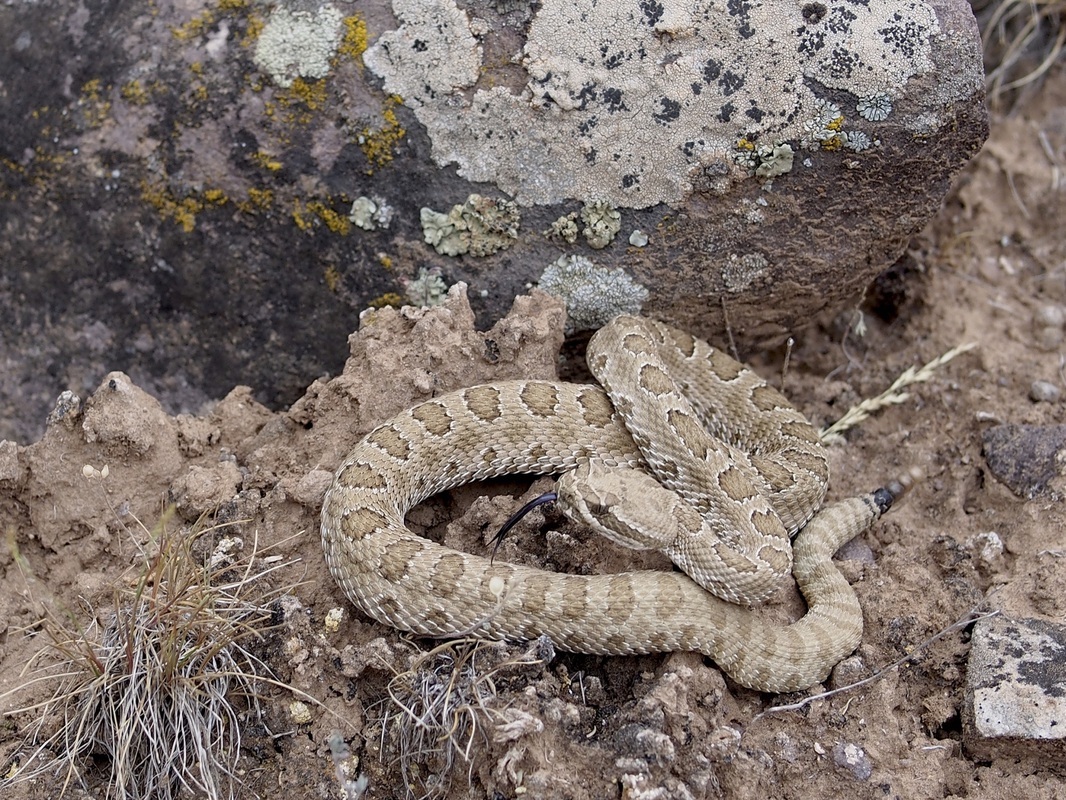
Crotalo oregano
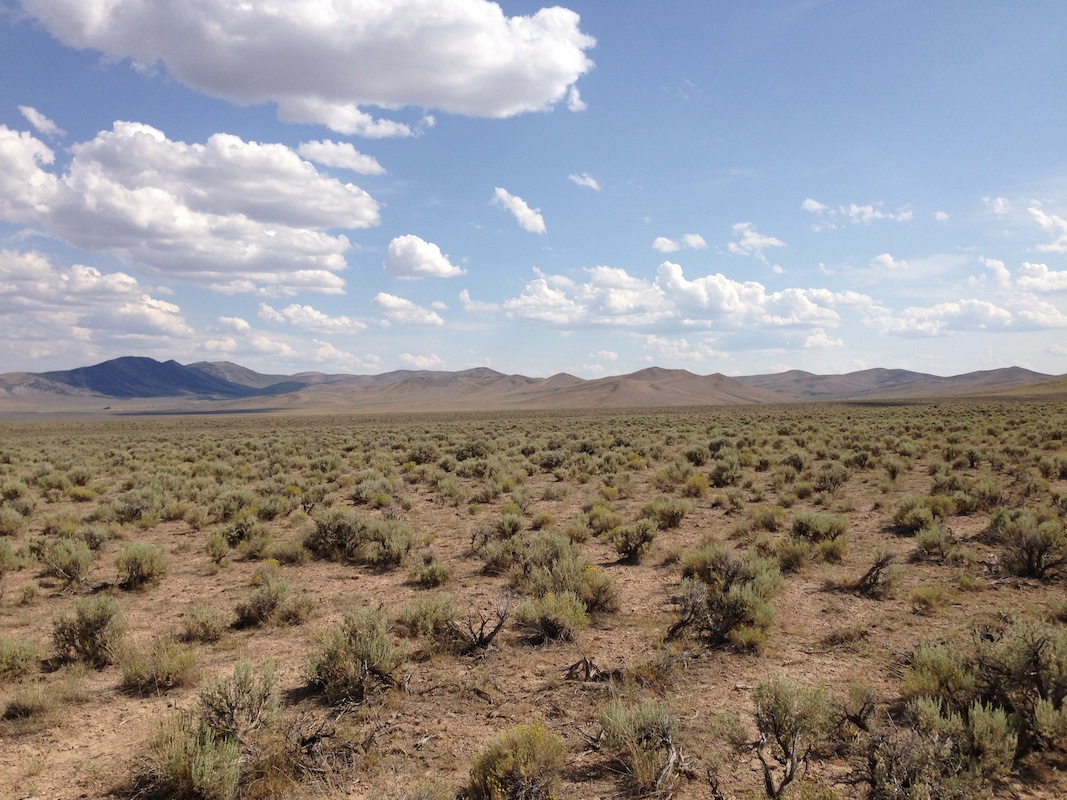
Vive in zone aride della regione del Great Basin, negli Stati Uniti occidentali. Preferisce le zone rocciose esposte a sud ma si trova anche in praterie, campi e aree collinari. Gli adulti superano di rado il metro di lunghezza. Si nutre prevalentemente di mammiferi e uccelli, della taglia adeguata, ma caccia anche lucertole e anfibi. La femmina partorisce 3-13 neonati, completamente autosufficienti. Il veleno di questa sottospecie è stato poco studiato ma è generalmente pericoloso per l’uomo, con effetti spesso molto seri che necessitano di immediato trattamento ospedaliero.
Great Basin Rattlesnake
Inhabits the dry and barren areas of the Great Basin region, in the U.S., being found on hills, summits and old lake benches. Adult specimens rarely exceed 1 meter in length. This rattlesnake, like many other north american species, feeds on mammals, birds, lizards and frogs. Young are born alive in broods of 3 to 13. The venom of this subspecies has not been studied very much but is generally very potent and the effects can be very dangerous if not immediately cured.
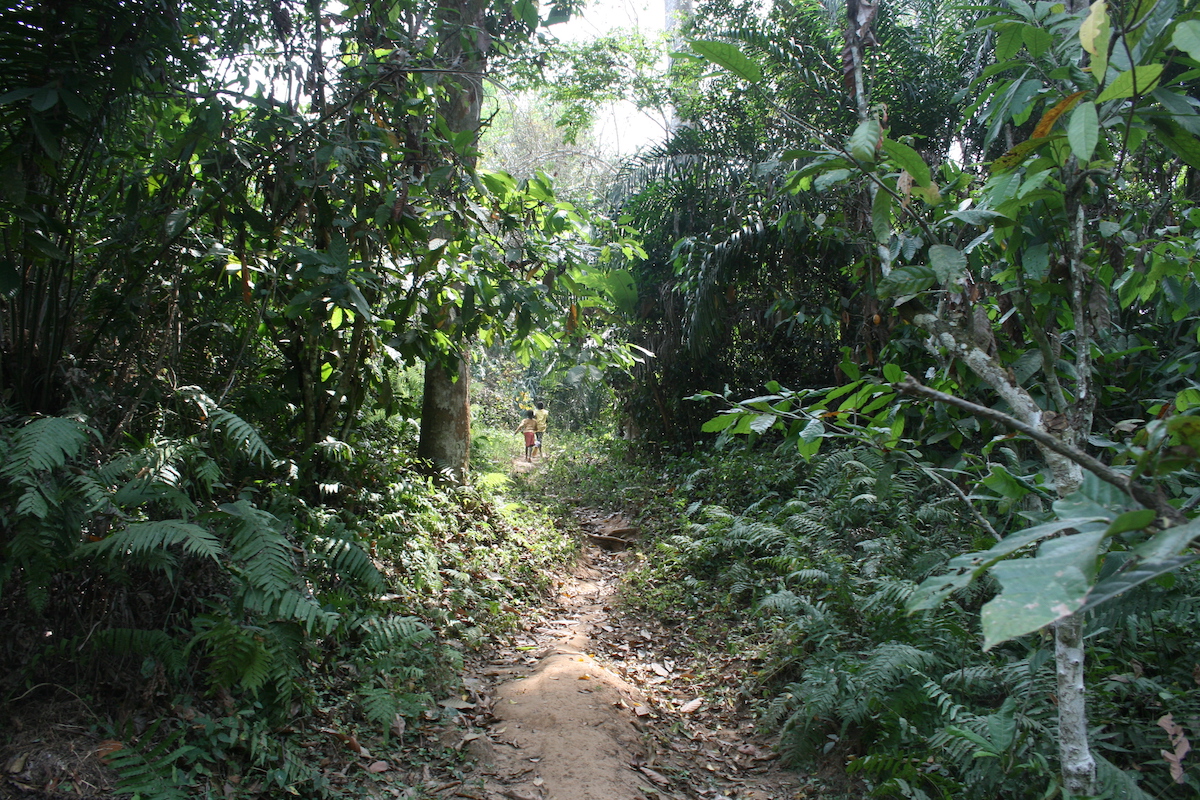
Ambiente - Environment
CROTALUS HORRIDUS
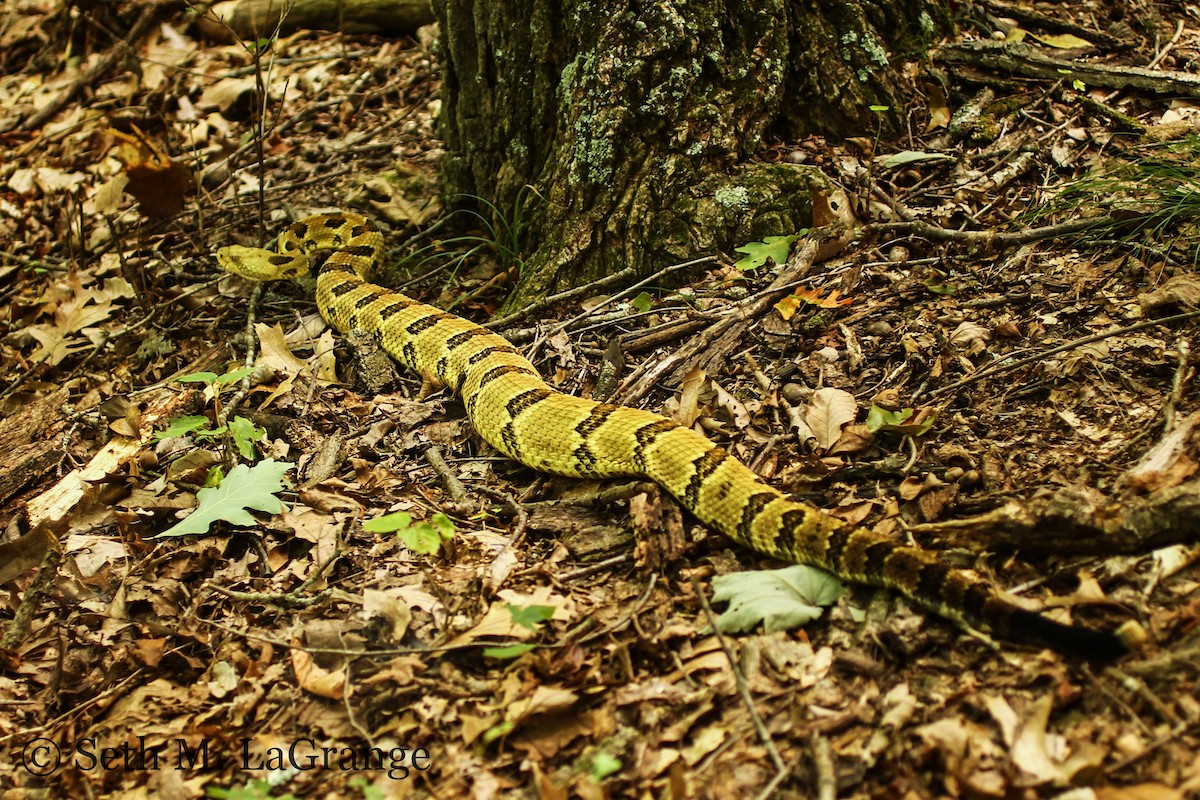
CROTALO DEI BOSCHI
È l’unico serpente a sonagli a vivere nei popolosi stati del nord-est degli Stati Uniti, e uno dei due serpenti velenosi con la distribuzione che si estende più a nord. L’areale storico della specie includeva anche il sud Ontario ed il Quebec meridionale, in Canada, ma nel 2001 viene considerato estinto in quelle zone. Sono serpenti molto frequenti in foreste di latifoglie, sia in pianura che in zone montane, ma si può rinvenire anche in foreste di conifere (pini), in zone paludose e in aree coltivate. La lunghezza degli adulti può variare dai 75 ai 150 cm, e possono arrivare a pesare oltre 3 kg. Le femmine partoriscono fino a 20 piccoli vivi, lunghi dai 25 ai 43 cm. Questo crotalo si ciba principalmente di piccoli mammiferi, ma la loro dieta include anche uccelli, lucertole e anfibi.
Si tratta, probabilmente, del più pericoloso serpente nordamericano, questo a causa della sua diffusione oltre che alle considerevoli dimensioni dei denti veleniferi e dell’animale stesso, quindi della grande quantità di veleno potenzialmente iniettata.
TIMBER RATTLESNAKE
This is the only rattlesnake species in most of the populous northeastern United States and is one of the two most northerly distributed venomous snakes in North America. Its historic range also included southern Ontario and southern Quebec in Canada, but in May 2001, the species was considered extirpated in Canada. Timber rattlesnakes are found in lowland cane thickets, deciduous forests in rugged terrain, high areas around swamps and river floodplains, mountainous areas, pine and hardwood forests and also in rural habitats in farming areas. Adult snakes range from 76 to 150 cm (30-60 inches) in length. They weigh on average between 1 Kg and 3 kg (2.2 and 6.6 lb). The female hatch between 5 to 20 young, which are around 10 to 17 inches long (25 to 43 cm). Timber rattlesnakes mainly feed on small mammals, but their diet may also include birds, lizards and frogs. Potentially, this is one of North America’s most dangerous snakes, due to its long fangs, impressive size, and high venom yield.
Ambiente - Environment
Crotalus atrox
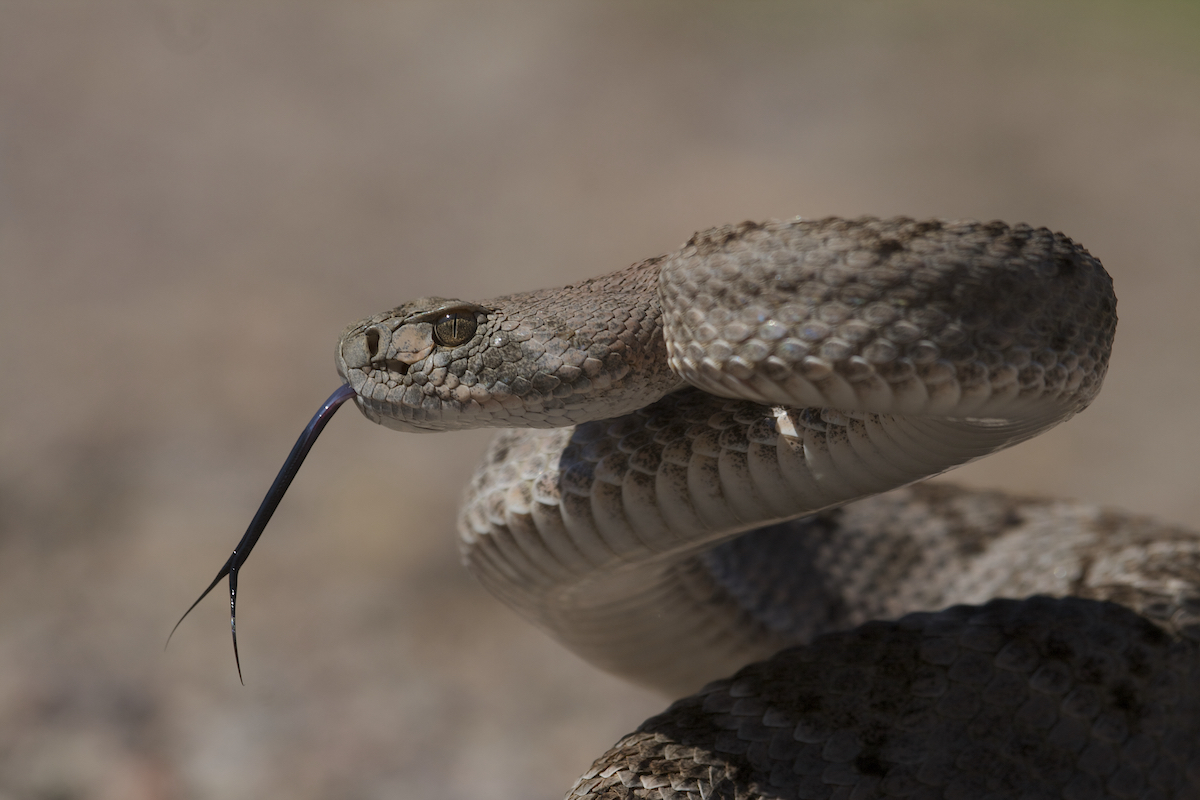
CROTALO ADAMANTINO OCCIDENTALE
Il serpente a sonagli per eccellenza, qui presentato con un individuo albino, molto raro in natura. Ha una distribuzione molto ampia in gran parte degli Stati Uniti meridionali e nord del Messico, dove è responsabile del maggior numero di decessi da parte di morso di serpente. Si trova in habitat molto diversi tra di loro, essendo una specie facilmente adattabile e ben distribuita. Caccia principalmente roditori e uccelli, mentre i giovani ricercano lucertole. Le femmine partoriscono fino a 25 neonati, lunghi 30 cm, che sono completamente autosufficienti.
Arriva a misurare, da adulto, oltre i 120 cm di lunghezza e pesare 5-6 kg; può superare i 20 anni di età. Avverte rumorosamente della propria presenza facendo vibrare il sonaglio, e può mordere, se questo stratagemma non dovesse funzionare. Come quasi tutti i crotalini possiede un potete veleno emotossico, con citotossine ed emotossine.
Si trova nella categoria LC della lista rossa IUCN.
WESTERN DIAMONDBACK RATTLESNAKE
It is one of the best known rattlesnakes in the world. Here we present you with an “albino” individual, very rare in the wild. Adults are heavy, and commonly grow to 120 cm (4 ft) in length.
It is found in the southwestern United States and Mexico and it is likely responsible for the majority of snakebite fatalities in northern Mexico and the greatest number of snakebites in the south U.S. Its habitats range from flat coastal plains to steep rocky canyons and hillsides; it is associated with many different vegetation types. Feeds mainly on rodents, other mammals and birds. Mating occurs during fall, and females give birth to as many as 25 young, which may be as long as 30 cm (12 in).
The venom of this rattlesnake is primarily hemotoxic, affecting mainly blood vessels, blood cells and heart. The venom also contains cytotoxins and myotoxins which destroy cells and muscles that add to failure of the cardiovascular system.
This species is classified as Least Concern on the IUCN Red List.
Ambiente - Environment
Naja sputatrix
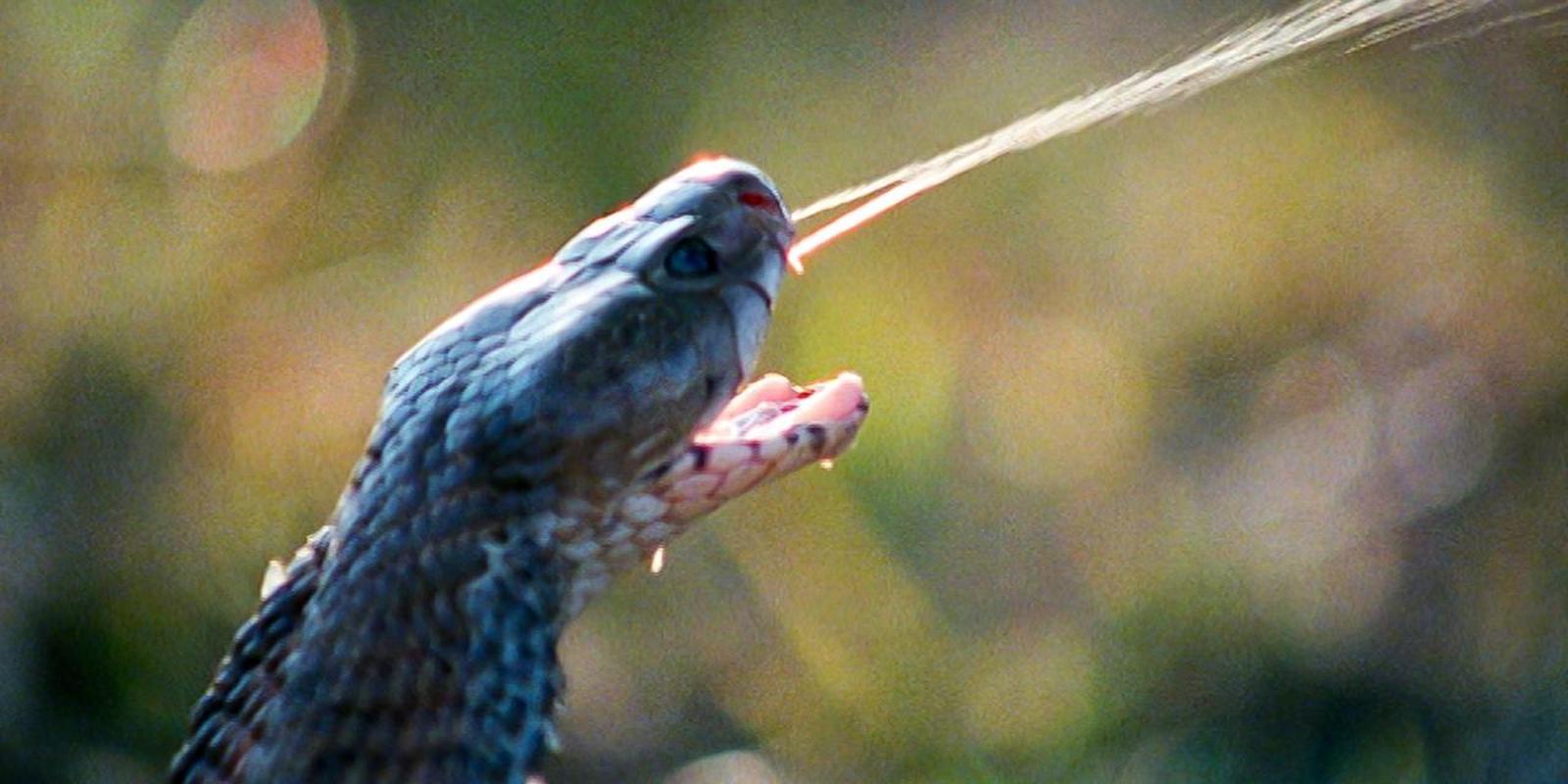
COBRA SPUTATORE INDONESIANO
Cobra di medie dimensioni diffuso nel sud-est asiatico. Come gli altri esponenti del genere Naja quando è disturbato può allargare un cappuccio, formato da pelle tenuta in tensione grazie a una serie di costole mobili. Sfiora i 2 metri di lunghezza. Si trova principalmente all’interno di foreste tropicali e umide, ma si può adattare a ogni habitat, inclusi i terreni coltivati.
Si nutre soprattutto di roditori, che caccia principalmente nelle ore notturne. Si tratta di una specie molto reattiva che non esita a mettersi sulla difensiva, estendendo il cappuccio, e, se necessario, “schizzando” il veleno direttamente da una scanalatura situata sulla parte anteriore dei denti veleniferi, mirando agli occhi dei suoi predatori. Il getto può arrivare fino a oltre i 2 metri di distanza.
È tuttavia spesso predato, oltre che da rapaci e mammiferi carnivori, anche da altri serpenti e da grandi varani, come il “drago di Komodo”, che lo include spesso tra le sue prede abituali.
Il veleno contiene neurotossine postinaptiche e polipeptidi di cardiotossine, e, sebbene possa essere molto potente, ha alle volte un’azione piuttosto lenta. Il Naja sputatrix è inserito nell’Appendice II della CITES.
INDONESIAN SPITTING COBRA
A medium to large, heavy-bodied species which, like other cobras, has long cervical ribs capable of expanding to form a hood when threatened. The average length of this species of cobra is approximately 1.3 m (4.3 ft), but they may grow to a maximum of about 1.85 m (6.1 ft). This spitting cobra is found mostly in tropical and wet forests, but the species adapts incredibly well to a wide variety of habitats across its range on the islands, including more arid regions, dry woodlands, and cultivated hill country. Naja sputatrix is very defensive and readily spits out venom when it feels threatened, often as far as 2 m (6.6 ft). The venom sprays out in distinctive geometric patterns when muscles squeeze the glands to squirt it out through forward-facing holes near the tips of the fangs. It preys predominantly on small mammals such as small rats and mice, but it will also feed on frogs and lizards. On Komodo Island the spitting cobra is an easy prey for the Komodo dragon.The most significant constituents of the venom include postsynaptic neurotoxins and polypeptide cardiotoxins, meaning that although the venom may be potent, it may not be particularly rapid-acting. The Indonesian spitting cobra is listed in the appendix II of CITES.
Ambiente - Environment
Naja melanoleuca
COBRA DELLE FORESTE
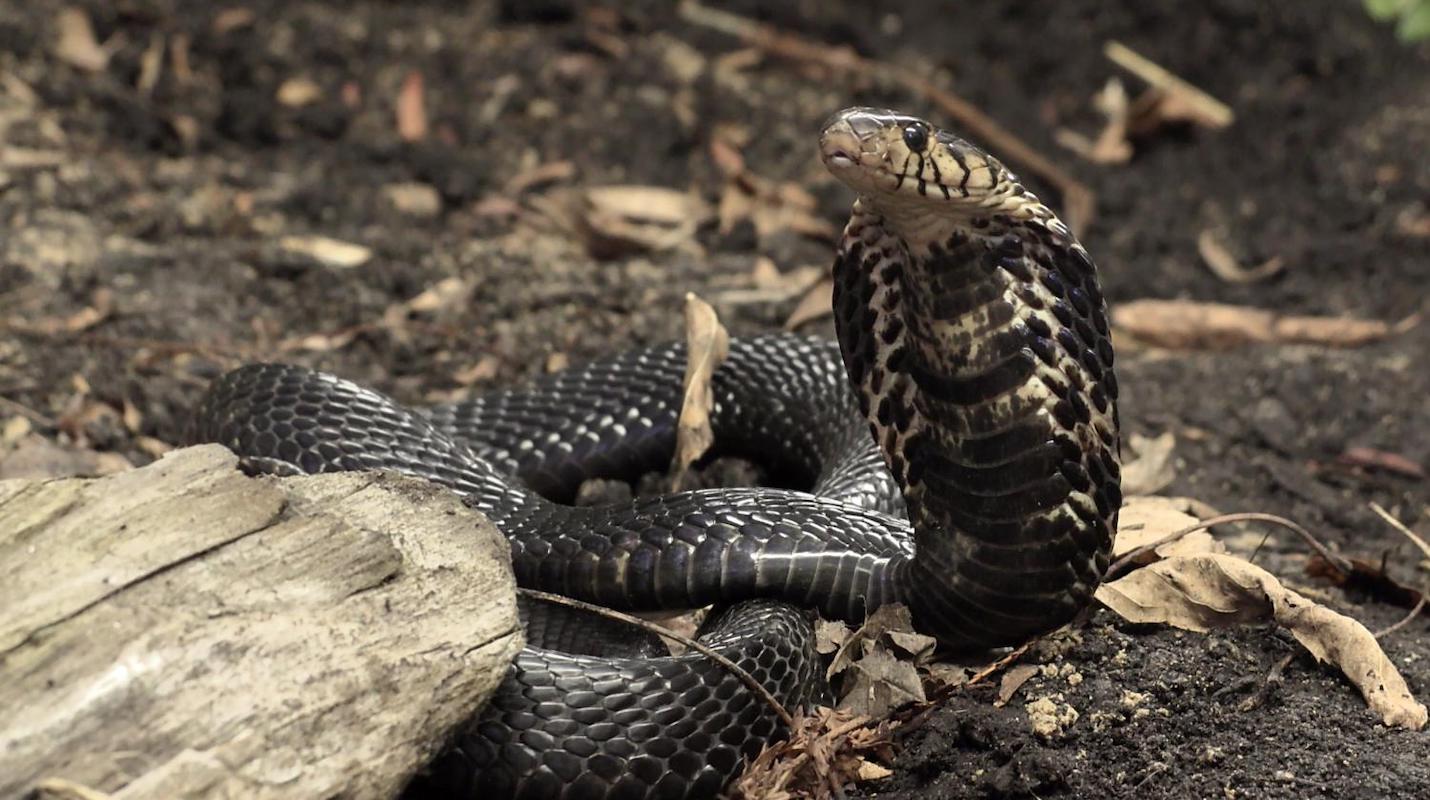
Si tratta di uno dei “veri cobra” più grandi e robusti, potendo sfiorare i 3 metri di lunghezza. Anche se si adatta a molti habitat, sceglie comunemente zone con molta vegetazione. Spesso può arrampicarsi sugli alberi ed è, all’occorrenza, un abile nuotatore. Il cobra delle foreste è molto generalista quando si tratta di alimentazione: predilige mammiferi, altri rettili, uccelli, ma non disdegna anfibi o insetti (soprattutto gli individui giovani). Se messo alle strette assume la tipica posizione di difesa dei cobra: alza dal terreno la parte anteriore del corpo allargando il cappuccio e soffia con vigore. I morsi agli esseri umani sono meno comuni rispetto a quelli degli altri cobra africani, anche se un morso da parte di questa specie è comunque da considerarsi molto pericoloso. Il veleno contiene neurotossine postsinaptiche.
FOREST COBRA
It is the largest true cobra species with a total length of up to 3.1 meters (10 feet). Although it prefers lowland forest and moist savanna habitats, this cobra is highly adaptable and can be found in drier climates within its geographical range. It is also a very capable swimmer and climber. The forest cobra is a generalist in its feeding habits, having a highly varied diet: anything from large insects to small mammals and other reptiles.
When cornered it will assume the typical cobra warning posture by raising its forebody off the ground, spreading a narrow hood, and hissing loudly. Bites to humans are less common than from other African cobras due to various factors, even though a bite from this species is a life-threatening emergency. The venom contains postsynaptic neurotoxins.
Ambiente - Environment